Personal Teaching Philosophy
I believe that every child is an artist. As Picasso observed, the challenge is how to remain one as we grow up. My role as a visual arts educator in the PreK–8 classroom is to protect and nurture that innate creativity while helping students develop the skills, confidence, and habits of mind to express themselves fully, connect with others, and navigate the world with curiosity and empathy.
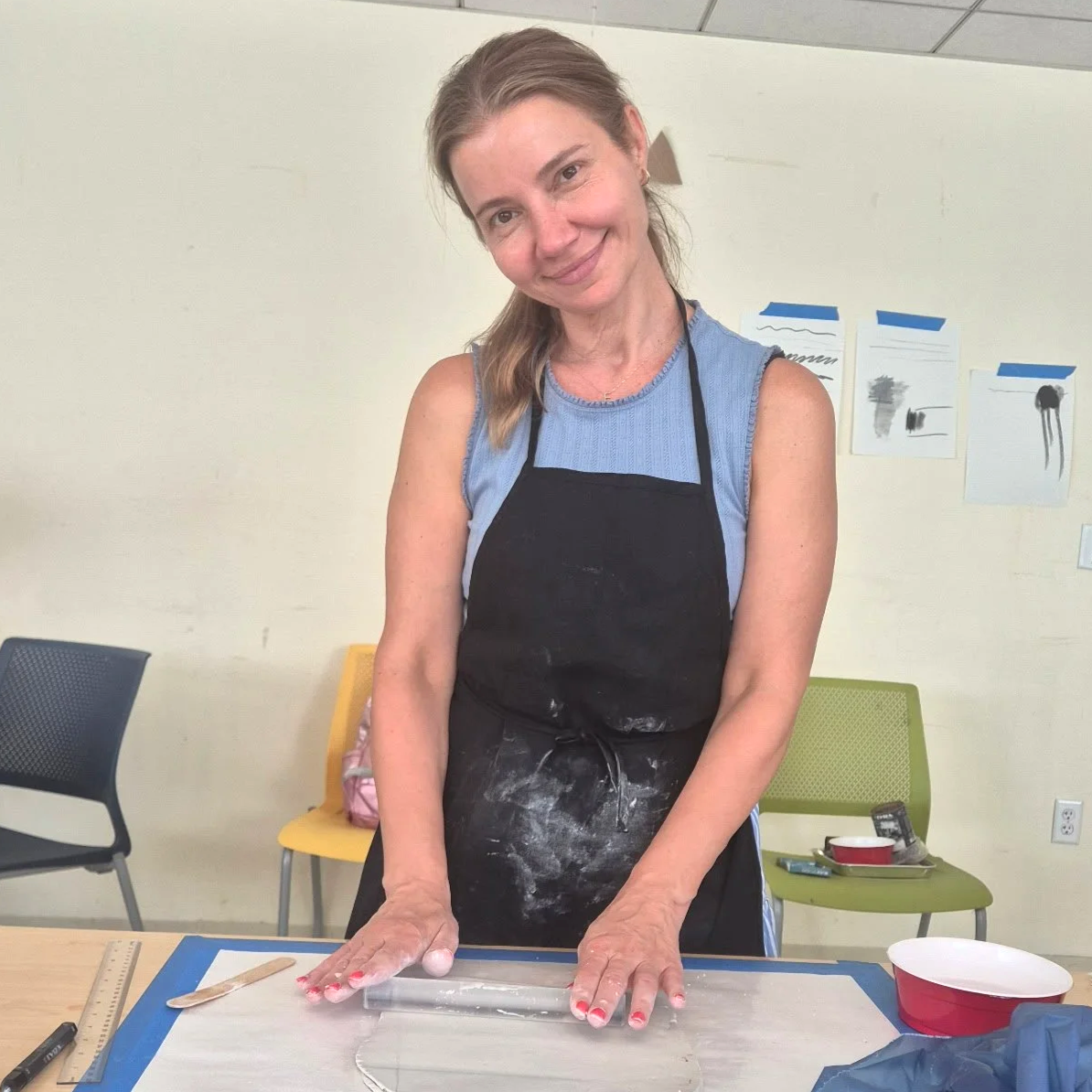
Art, for me, is a language of color, story, and emotion—much like music or poetry. Growing up surrounded by classical music, philosophy, poetry, and the visual and performing arts through my father’s influence as an Eastern European artist, I learned early that creative expression can hold complexity, healing, and joy. My own practice in watercolor and mixed media explores themes of love, nature and humanity, serenity, luminosity, and the poetic journey of life. These same qualities guide my teaching: I want students to experience art as a pathway to personal expression, emotional growth, cultural understanding, and meaningful human connection.
I approach the art classroom as an inclusive, humanistic studio where every child’s voice, culture, and way of seeing is valued. Drawing on culturally responsive practices and my own experiences of cultural immersion—particularly my time studying yoga in the Himalayas and exploring diverse ethnic traditions—I design experiences that honor students’ identities while expanding their visual worlds. Students encounter artists and art forms from many cultures and backgrounds so they can see themselves and others reflected. Art becomes a space for belonging, for processing feelings, and for exploring big ideas about community, nature, and the self.
My teaching is holistic and student-centered. I integrate visualization, reflective practices, movement, and mindfulness (informed by my yoga background) so that making art supports both technical growth and self-discovery. Lessons balance skill-building in drawing, painting, mixed media, and other media with open-ended, process-oriented exploration and choice. I scaffold learning so that students of all abilities and language backgrounds can succeed, using multi-modal approaches, adaptive strategies, and arts-based inquiry. Assessment centers on growth, process, reflection, and joyful engagement rather than solely on finished products—through portfolios, artist statements, conversations, and documentation of thinking.
As both an artist and a mother, I understand the power of creating environments where children feel safe to take risks, experiment, and “fail forward.” The art room should be a place of wonder, play, and deep looking—where students learn to observe closely, persist through challenges, collaborate, and celebrate one another’s unique expressions. I am developing educational tools such as children’s coloring books, art-based jigsaw puzzles, and toys that encourage imagination and emotional engagement; these experiences reinforce my belief that art learning extends beyond the classroom walls and can invite families and communities into creative play.
I am pursuing the Master’s program with PreK–8 Visual Arts licensure at Lesley University because its commitment to inquiry, equity, community, inclusive pedagogies, and arts-based research aligns closely with my values. I want to grow as an artist-educator who fosters not only technical competence but also the lifelong capacity to remain an artist—curious, empathetic, resilient, and connected. Through visual arts, I hope to help young people carry forward a sense of wonder, a respect for cultural diversity, and the confidence that their creative voice matters in shaping a more just, humane, and beautiful world.